Every big project seems to start with a tiny, nagging frustration.
For me, that frustration was the state of website builders.
For years, I watched the ongoing drama surrounding WordPress and endless annoying issues with Elementor. I just wanted something simple. I also really wanted a platform built close to home, made by a Malaysian. But waiting for someone else to magically drop that into the market wasn't getting me anywhere. So, equiped with typical software engineer's stubbornness, I finally thought:
I can build it, so why not? If no one else is stepping up to do it, I guess I have to.
And hey, even if absolutely nobody else wants to use it, at the very least I'm building the exact tool I need for my own projects, right? Ultimately, I just wanted a way to get a single, beautiful webpage online without a headache.
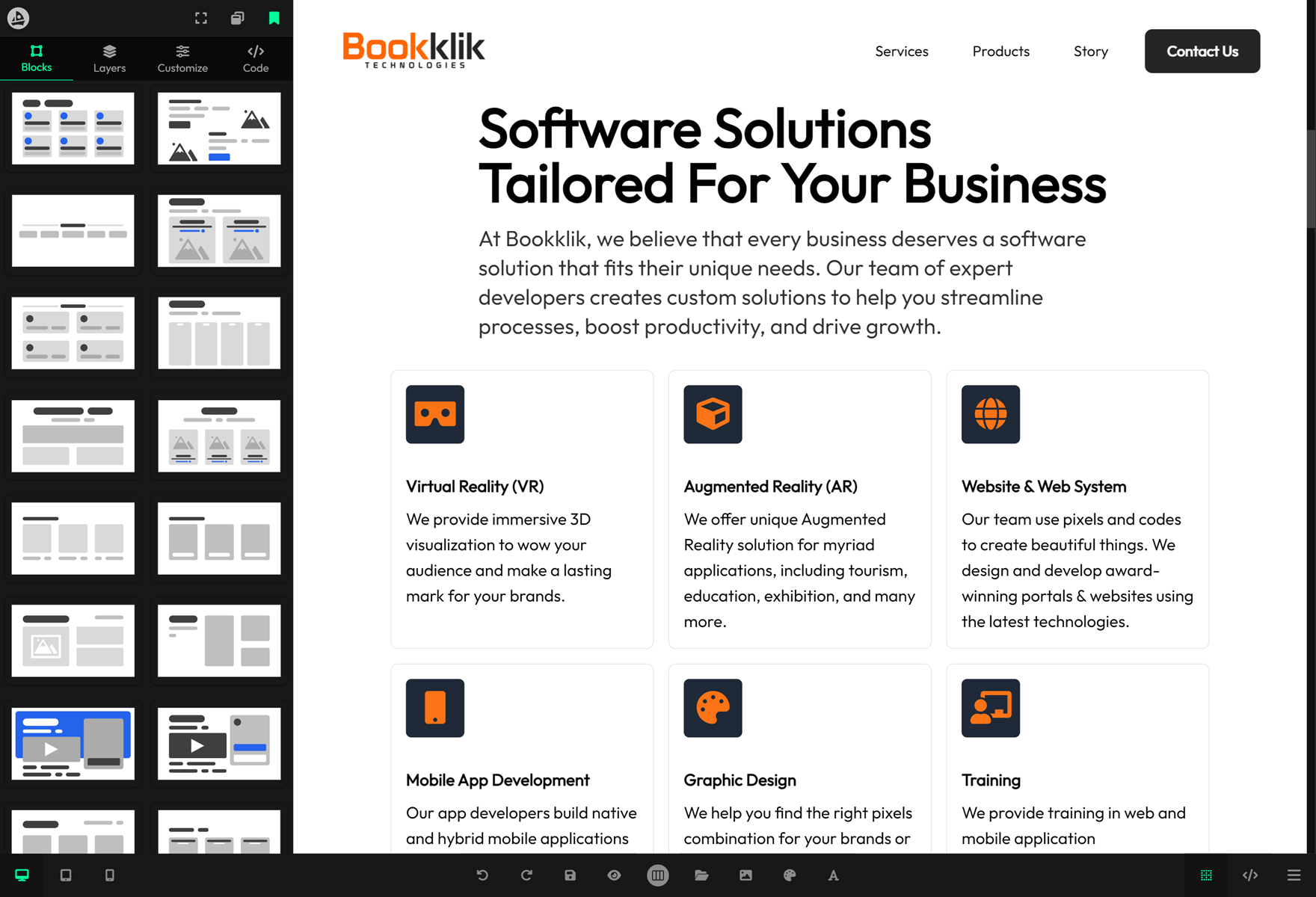
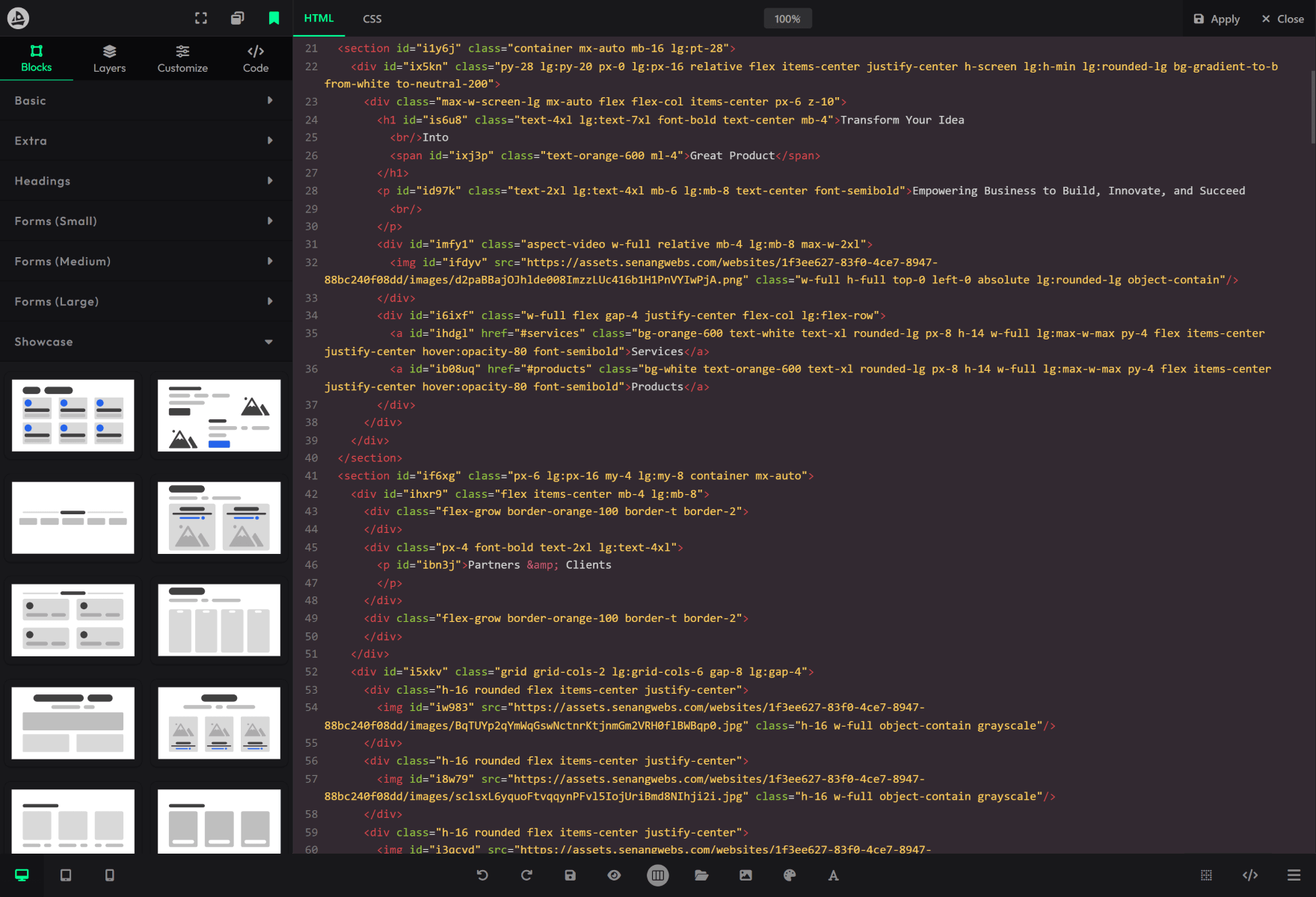
The initial goal for SenangWebs was incredibly humble: create a straightforward drag-and-drop component builder with ridiculously easy hosting. Just pure, clean HTML, CSS, and JavaScript working in harmony, letting users build straight to the point. I had no idea that this simple desire would snowball into a two-year journey resulting in an entire web development ecosystem.
So, here is the story of how SenangWebs grew from a simple webpage builder into the platform I use for absolutely everything today:
Phase 1: Beyond the Landing Page
Once the drag-and-drop landing page builder was functional, I immediately ran into my next personal bottleneck. I wanted a personal website, and a landing page alone wasn't enough; I needed a place to write.
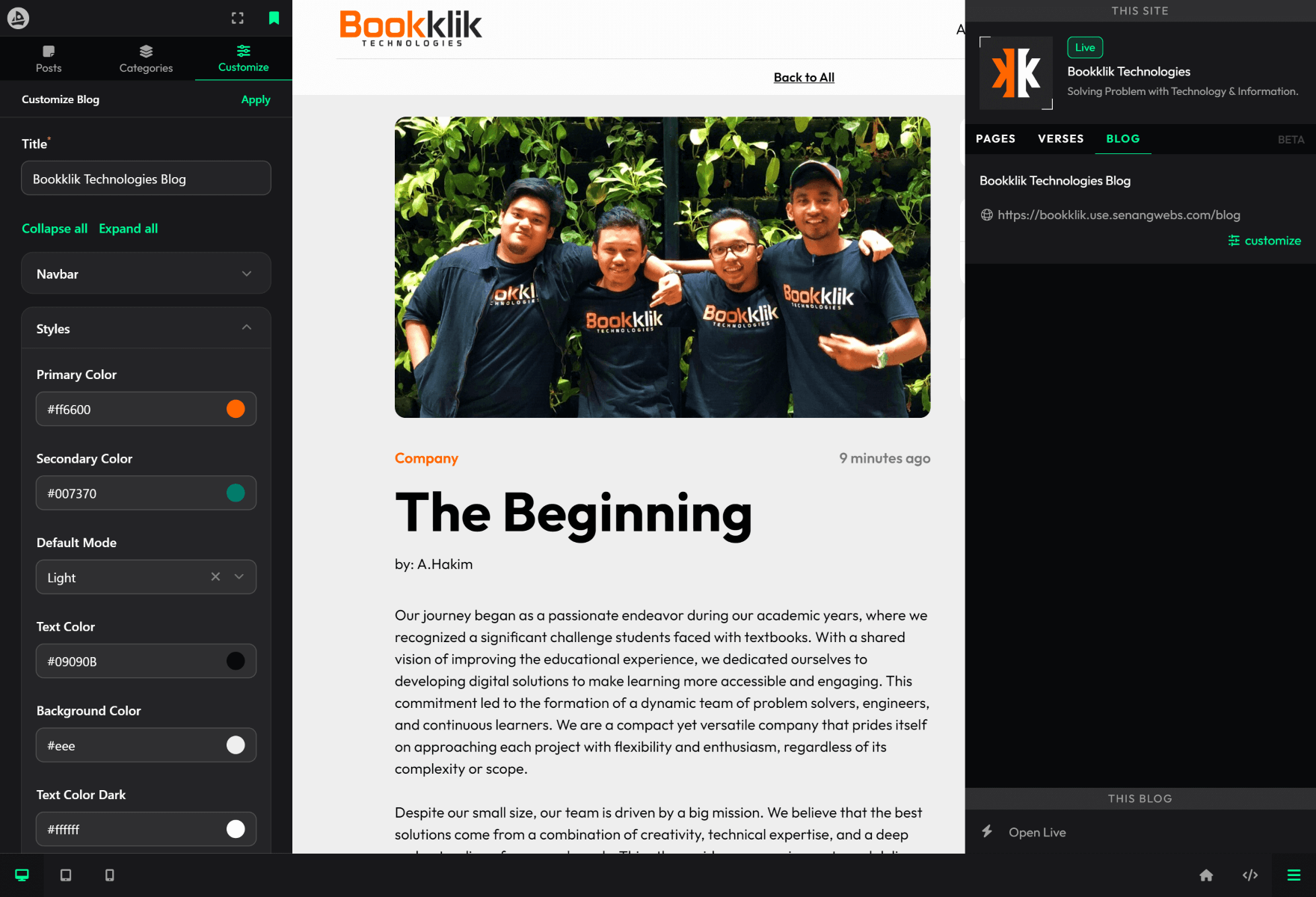
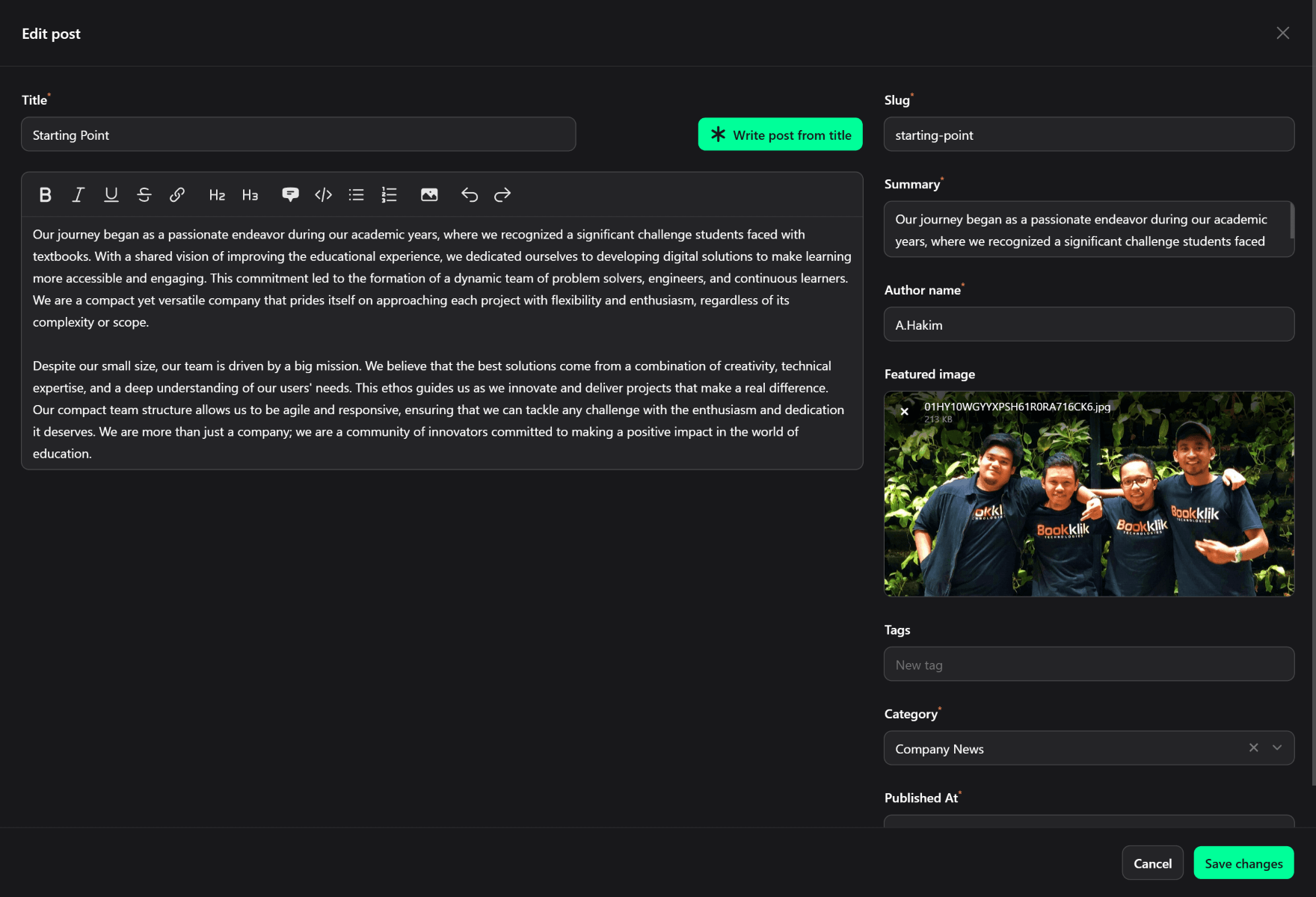
Instead of bolting on a heavy, complex system, I slowly began working on a native Blog CMS. The objective was seamless integration. I wanted users to be able to pair a landing page with a blog without wrestling with databases or complicated setups. It needed to be simple enough for absolute beginners, yet highly customizable for anyone who understands basic CSS and wants to tweak their typography and layout. In fact if you are reading this in my blog, it was written with this very system.
Phase 2: Bridging Code and 3D Space (The "XR Verse")
In my personal capacity, I’ve spent years experimenting with WebXR, building everything from serious OSHA VR training simulations to interactive, educational AR games.
A glaring issue in the WebXR ecosystem is the severe lack of accessible GUI editors. Trying to blindly position elements in a 3D space just by typing out coordinates in code is an exercise in pure frustration. Sometimes you just want to drag a cute, pastel-colored low-poly model into the perfect spot and be done with it.
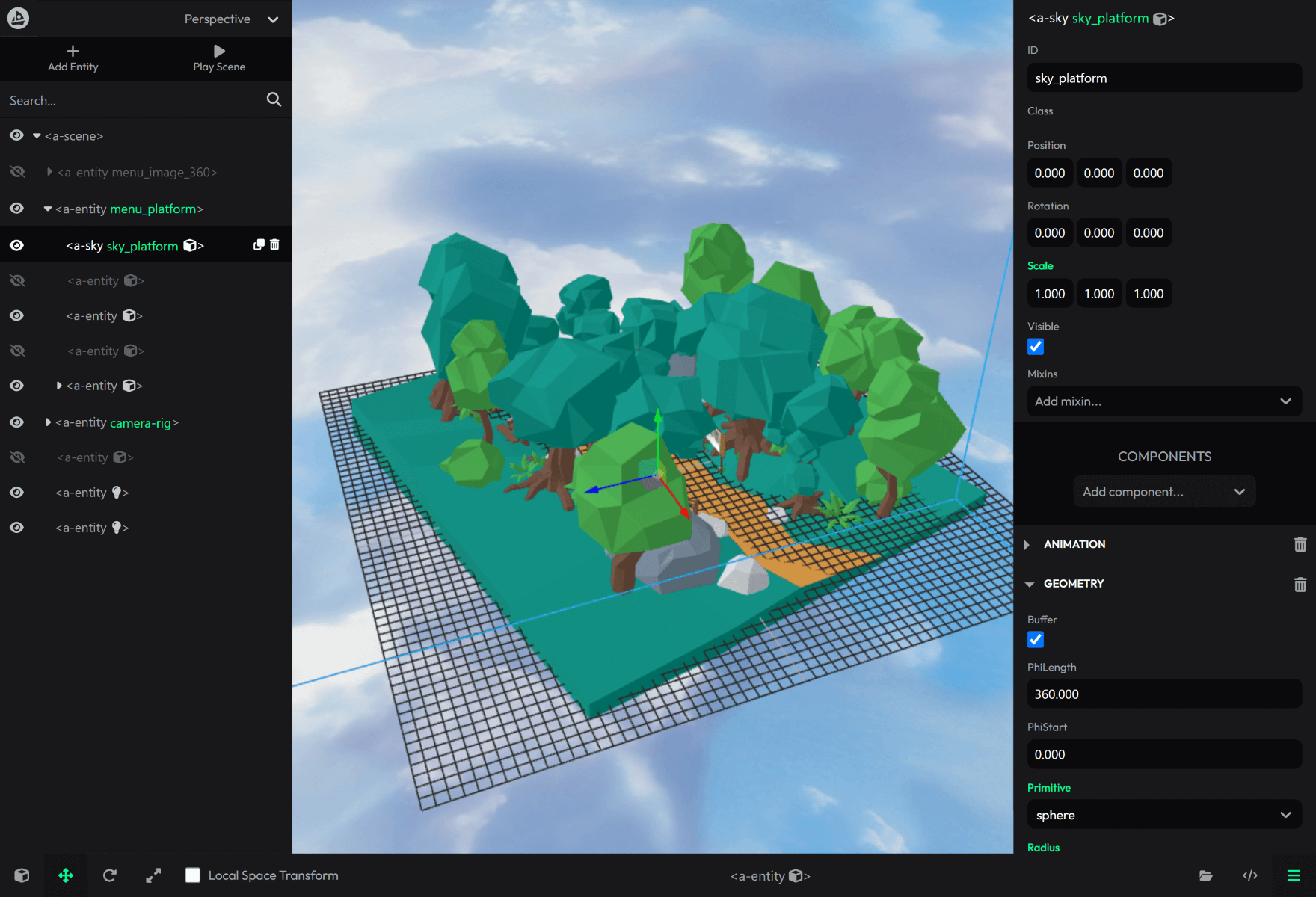
Because the tool I needed barely existed, I decided to build it inside SenangWebs. I called it the Webverse (or XR Verse). It gave me a 3D environment GUI to make spatial adjustments visually, while still allowing me to dive into the raw code directly if I needed fine-grained control. It was a massive technical leap, but it permanently changed how I approach web-based 3D design.
Phase 3: The LLM Epiphany & The Open Source Shorthand
As the platform grew, so did the AI boom. Large Language Models were everywhere, and I noticed a trend: people were using massive amounts of token limits asking AI to build the same common website features from scratch over and over again.
I thought:
Rather than burning through usage asking AI to reinvent the wheel, why not build reliable shorthand libraries for these common requests?
This realization launched my deep dive into open-source development. I wanted to create building blocks that developers (and eventually AI agents) could easily snap together. This gave birth to the SenangWebs branded web libraries:
- 📦 senangwebs-buy: a library that enables easy implementation of WhatsApp-based e-commerce functionality using simple HTML attributes.
- 💬 senangwebs-chatbot: a tool for integrating a highly customizable chatbot directly into your website's UI.
- 📊 senangwebs-deck: a lightweight engine for web-based presentations, supporting multiple input formats including HTML, Markdown, and JSON.
- 🏺 senangwebs-kiln: a powerful but lightweight 3D modeling editor library to bring spatial design to the browser.
- 🧠 senangwebs-quiz: a quick way to deploy interactive quizzes with multiple question types.
- 📖 senangwebs-story: a visual novel-style story engine complete with a typewriter effect and dialogue system.
- 🕹️ senangwebs-xperience: a framework for building grid-based, interactive, game-like web experiences (perfect for spinning up a quick Memory game or Whack-a-Mole!).
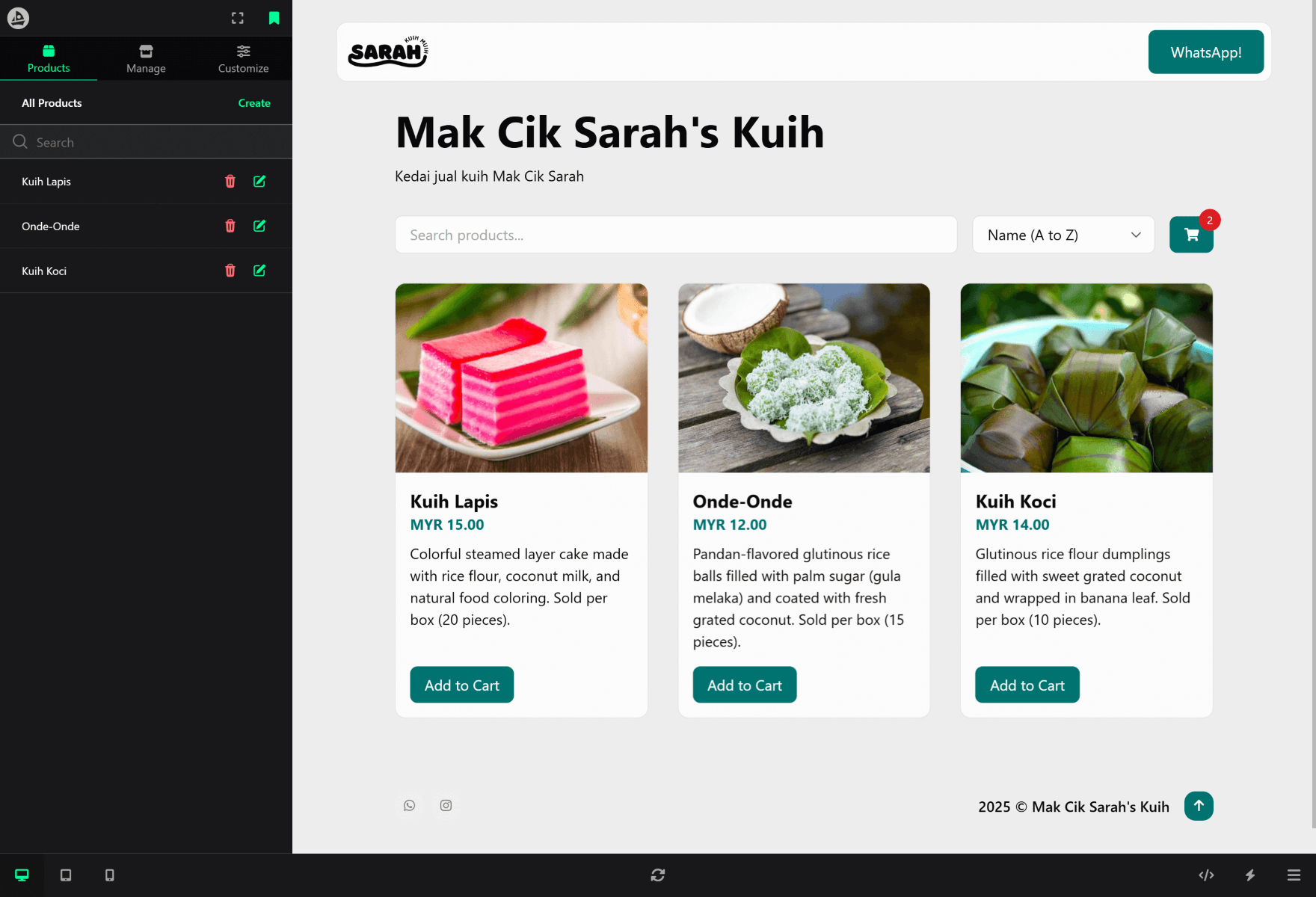
Developing senangwebs-buy led to an obvious next step: integrating it natively into the SenangWebs platform. By adding a simple WhatsApp-based online "Store" feature on top of the existing webpage and blog builders, SenangWebs suddenly offered a complete suite for small business owners.
Phase 4: Tragedy Strikes, and "Maker" is Born
For years, Glitch was one of my absolute favorite resources. It was my go-to sandbox for experimenting with code, teaching concepts, and sharing snippets easily. When the news broke that Glitch was shutting down, I was devastated, but it also lit a fire under me. I needed a replacement, so I looked into building my own.
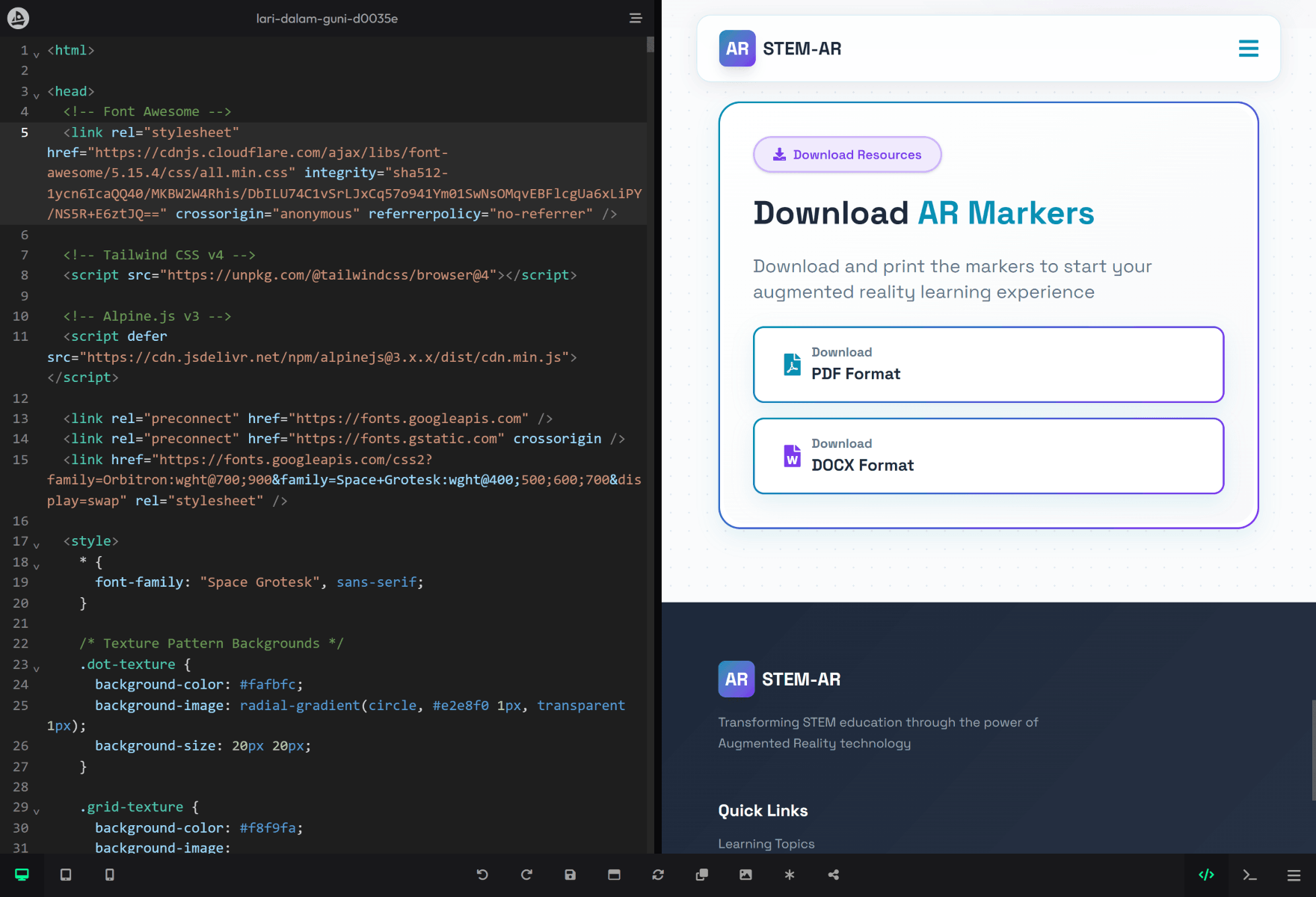
I called it Maker.
Integrating Maker into the SenangWebs ecosystem was undoubtedly the most challenging hurdle. It is the most flexible part of the platform, allowing users to write raw HTML, CSS, and JS. Naturally, this also made it the most vulnerable point of the system. I had to spend weeks studying and implementing secure sandboxing for user-generated code to ensure the platform remained safe while giving developers absolute freedom to experiment. This also lead to the development of 1️⃣ senangwebs-one: a web-based code editor and live previewer.
Phase 5: Embracing the Smart Assistant
With Maker functional and the shorthand libraries published, the foundation was rock solid. AI was getting smarter every day, and it was finally time to integrate it natively.
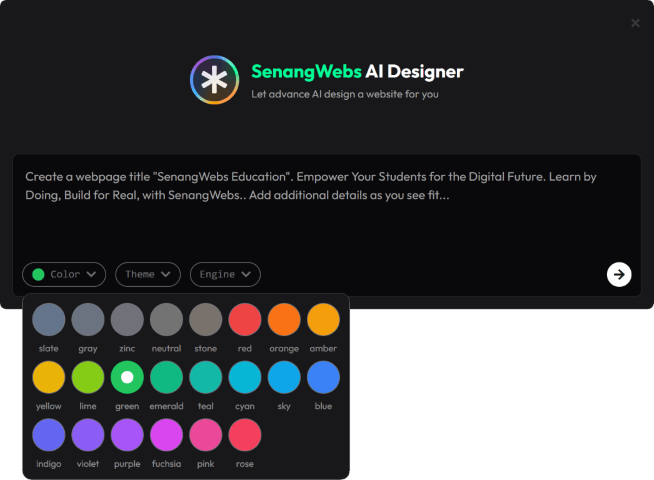
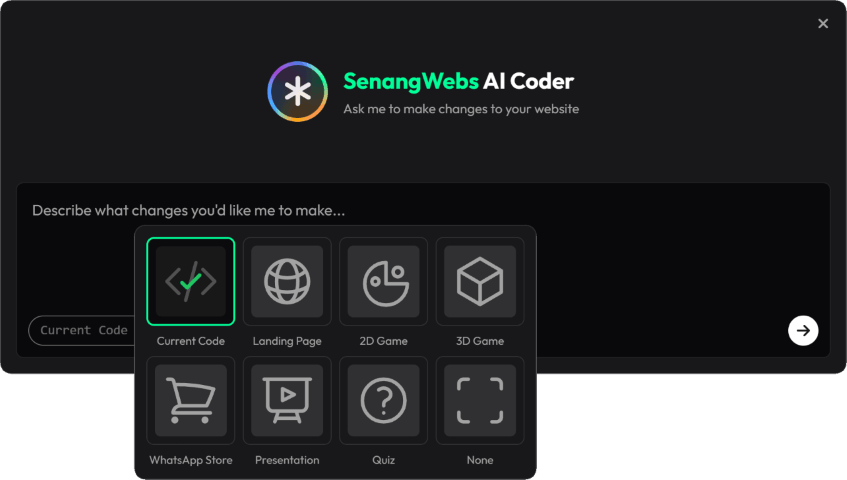
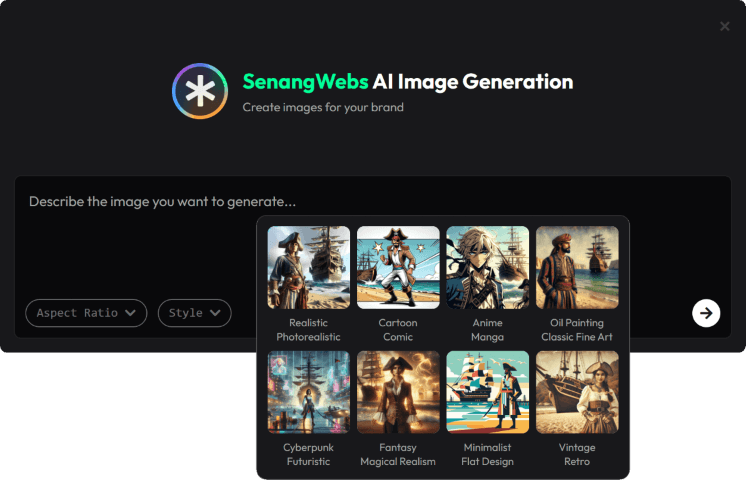
Rather than a gimmick, the AI in SenangWebs acts as a built-in assistant. It covers image generation, landing page scaffolding, copywriting, and blog post generation. Most importantly, it includes code generation tools explicitly trained to utilize the open-source SenangWebs shorthand libraries, allowing users to spin up stores, 3D scenes, or quizzes in seconds.
Phase 6: Full Circle to the Classroom
The most recent addition to SenangWebs is perhaps the one closest to my heart.
Almost seven years ago, during my internship, I used to teach children programming using Scratch. I’ve always believed that the best way to spark a child's interest in STEM is through experimentation with a very low barrier to entry.
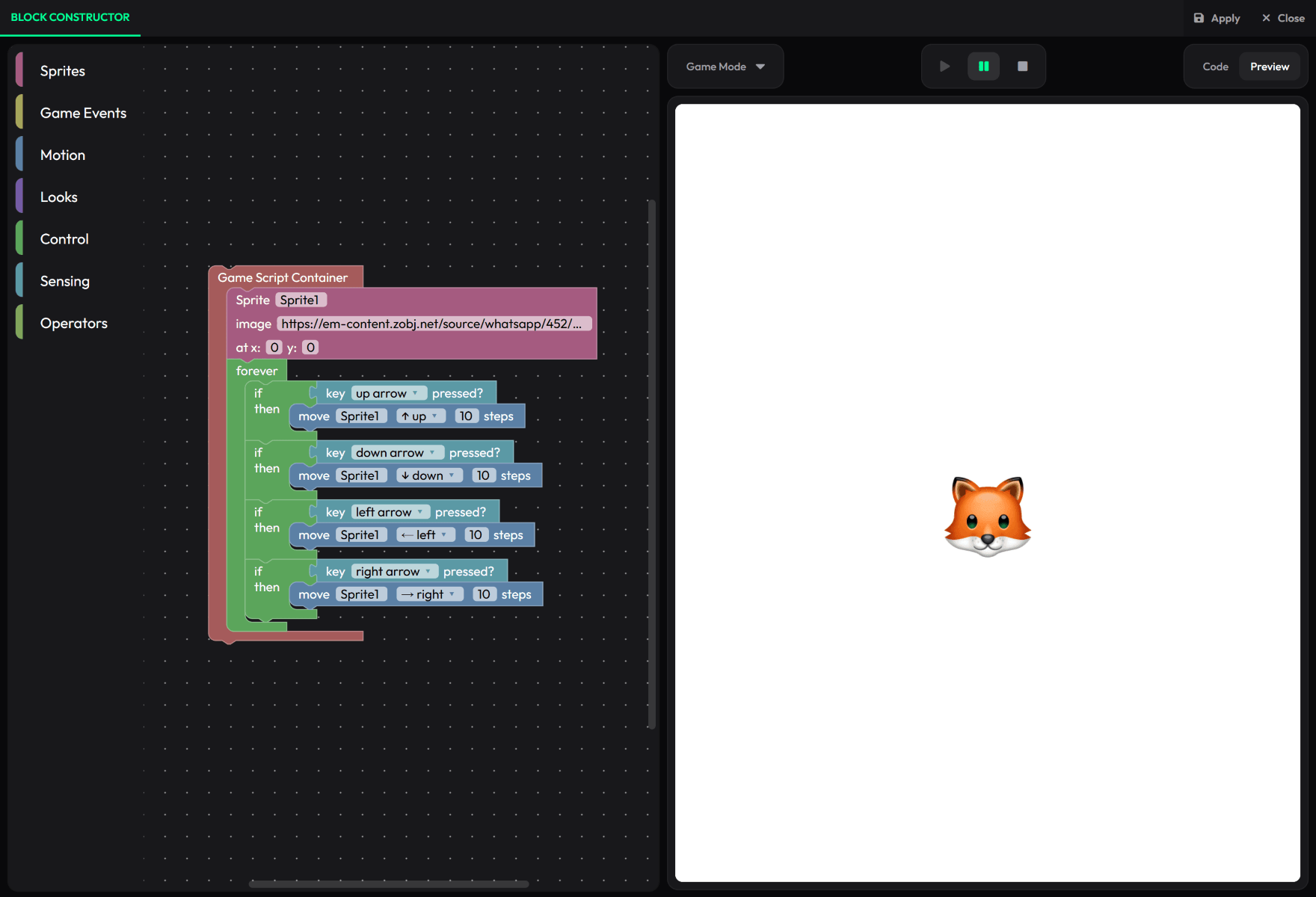
Since the "Maker" sandbox was designed heavily with educational use cases in mind, it made perfect sense to extend it. I recently integrated a block-based editor UI into Maker. Now, young kids can snap logic blocks together to build simple logic and games. But the true magic is the progression path: when they are ready to customize further, they can seamlessly toggle over to read and edit the raw code. It offers a low entry point while actively providing a bridge to advanced programming.
Looking Back
At the end of the day, SenangWebs as a platform is the fruit of my own personal needs. I simply desired a single, cohesive roof to work under, rather than jumping frantically between a dozen different platforms, hosts, and editors.
It has been almost two years of continuous iteration, problem-solving, and late-night coding sessions. SenangWebs has accidentally become my best public work so far, and looking at the community, the libraries, and the students it can potentially help. I am incredibly proud of it.